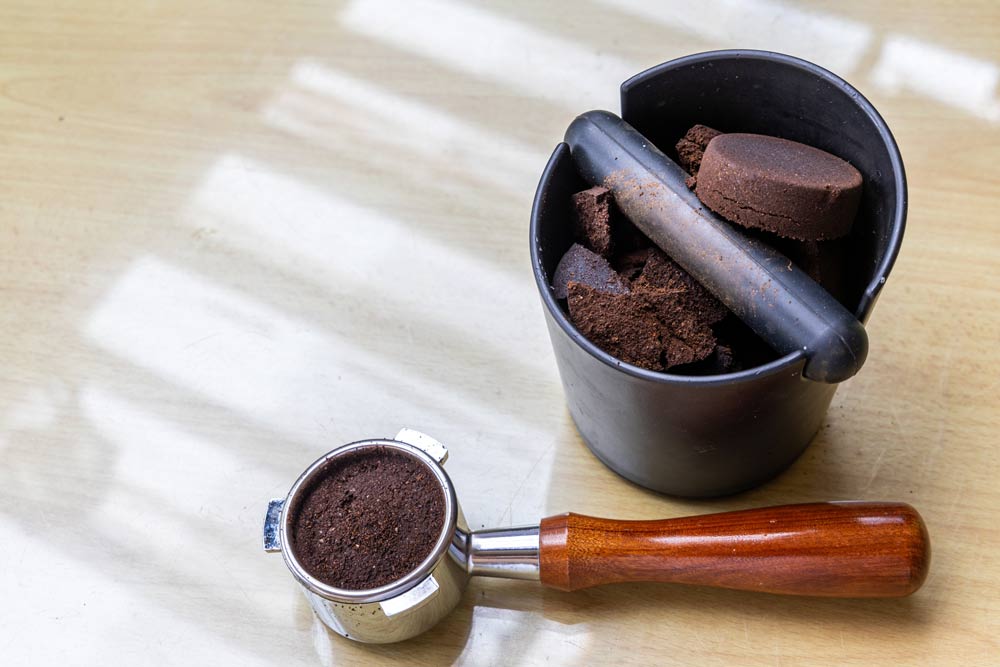
The SOLRESS project aims to redefine solvent production by developing an integrated biorefinery system based on two promising second-generation feedstocks: lignocellulosic biomass and post-consumer coffee grounds. These feedstocks will be transformed into sustainable, high-performance solvents such as ethyl acetate, ethyl lactate, butyl acetate, γ-Valerolactone (GVL), and 2-MeTHF.
Two Innovation Pathways for Bio-Based Solvents
SOLRESS focuses on two complementary technological routes:
Ester-based bio-solvents:
Ethyl acetate, ethyl lactate, and butyl acetate will be produced through advanced bioprocesses that convert CO₂, organic acids, and alcohols derived from biomass. Additional products such as bioethanol and biobutanol will be validated across multiple sectors.
Furfural-derived solvents:
These include GVL and 2-MeTHF, obtained by valorising the hemicellulose fraction of biomass through advanced chemical processes. These solvents show strong potential for replacing fossil-based and hazardous chemicals in multiple applications.
A Comprehensive Set of Objectives
To achieve its ambitious goals, SOLRESS is structured around five technical objectives:
- Develop efficient pretreatment processes for biomass (coffee grounds and birch chips).
- Optimise bioprocesses for lactic and acetic acid production, integrating electrochemical extraction technologies.
- Scale up bioethanol and biobutanol production and integrate CO₂ capture.
- Demonstrate esterification reactions at pilot scale.
- Scale up furfural production and produce high-value bio-based solvents.
Towards Multiple Industrial Applications
The solvents produced in SOLRESS will be validated in paints & coatings, adhesives, cosmetics, materials processing, recycling, pharmaceuticals, food & beverages, construction, and even the energy sector. These bio-solvents are being tested as safer alternatives to toxic solvents while maintaining high industrial performance.
By valorising low-value waste into high-value chemicals, SOLRESS aims to support Europe’s transition toward a circular, safer, and competitive bioeconomy.