Replace fossil-based solvents with safe and sustainable bio-based alternatives from second-generation sugars
The shift towards a circular bio-based economy is a key step in achieving Europe’s low-carbon and sustainable future. It will reduce greenhouse gas emissions, lessen reliance on fossil resources, and foster sustainable economic growth, in line with the objectives of the European Green Deal and related EU strategies. Biorefineries producing bio-based products are expected to be a cornerstone of this transition, transforming renewable feedstocks into valuable chemicals and materials. In this context, the development of bio-based solvents such as esters and compounds derived from furfural represents a major step toward safer, high-performance, and sustainable alternatives to conventional fossil-based solvents.
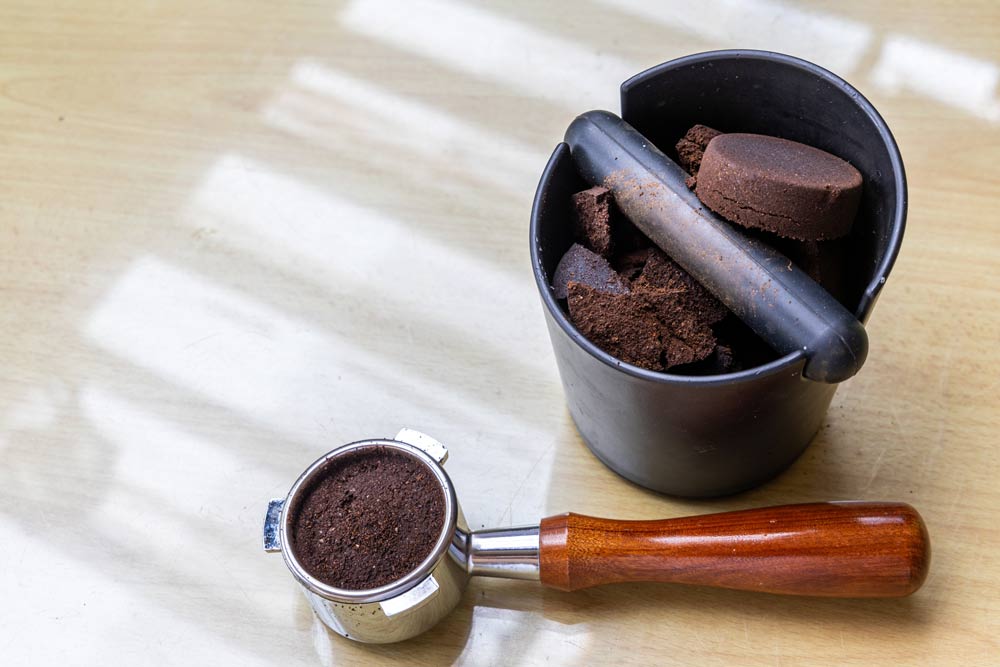
The main objective of the SOLRESS project is to propose an integrated biorefinery system to replace the chemical origin of some of the most widely used solvents in the industry, such as ethyl acetate, ethyl lactate, butyl acetate, 2-MeTHF and GVL with a bio-based origin from second generation sugars from post-consumer coffee grounds and lignocellulosic feedstocks.
By the end of the project, all solvents will be validated in at least 3 of the most relevant applications: productive processes, formulations and recycling technologies; and at least 3 of the sectors with the greatest use of solvents: paints and coatings, cosmetics and industrial material processing (e.g., wood). Their performance will be assessed not only against fossil-based counterparts, but also as a safer replacement for hazardous and toxic solvents, such as NMP, CCL4, THF or toluene.
Thus, the ambition of the SOLRESS project is triple:

to replace the use of fossil, non-renewable raw material with sustainable bio-based feedstocks for key solvents;

to provide SSbD alternatives to controversial solvents associated with high hazard and toxicity,
and…

…to enhance the competitiveness and sustainability along the entire value chain.

KEY FIGURES
DURATION ![]()
48 Months
from September 2025 to August 2029
Funding from the European Union’s Horizon Europe research and innovation program and the Circular Bio-based Europe Joint Undertaking ![]()
€7 Millions
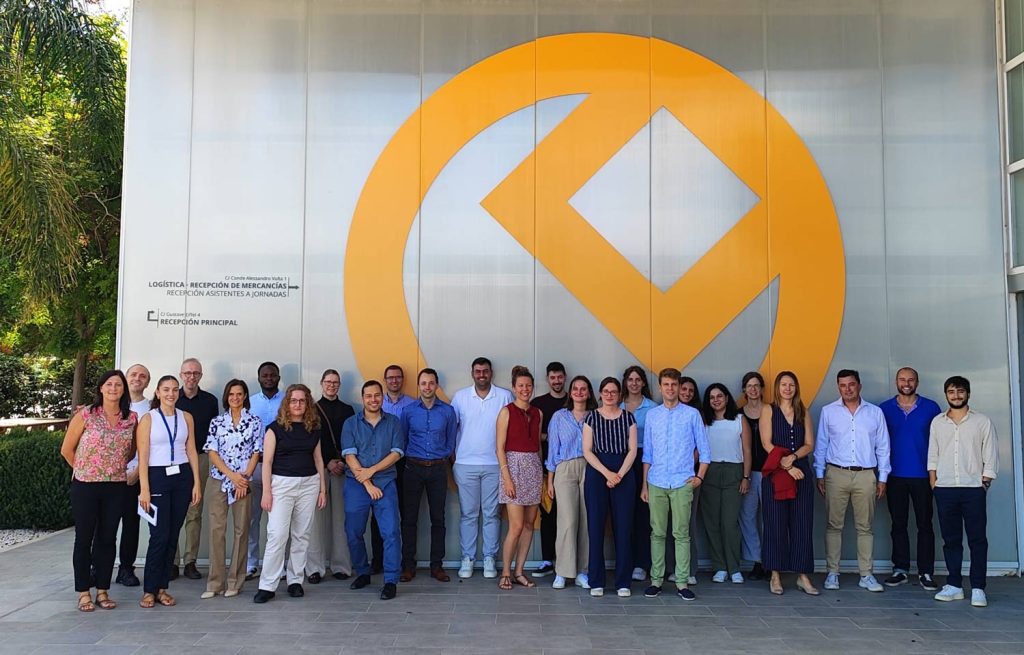
17 Partners
from 9 countries
3
Large companies
8
SMEs
5
RTOs (Research & Technology Organisations)
1
Cluster